Marketing in 2026 is no longer about simply being visible. It’s about where your visibility comes from, how it’s delivered, and why people trust it enough to act.
The digital landscape has shifted significantly. Search engines now often provide answers directly without clicks (zero-click search), AI-generated content is flooding platforms making it harder to stand out and drive results with AI in marketing and creator-led communities are shaping opinions faster than traditional advertising ever could. As a result, attention is easier to capture but much harder to convert into trust.
This is where paid, owned, and earned media become more relevant than ever. They are three distinct ways a brand enters, builds, and sustains its presence in the market.
Paid media gets you discovered. Owned media explains your value. Earned media validates your credibility.
Understanding how these work together is what separates scattered marketing efforts from a structured growth system.
What is Paid Media?
Paid media refers to any form of marketing where a brand pays to promote its message across platforms. This includes search ads, social media promotions, display campaigns, and influencer collaborations.
In 2026, paid media has become more sophisticated than ever. With AI-driven targeting and predictive analytics, brands can now reach users based on intent signals, browsing behavior, and even micro-moments of decision-making. This has made paid media highly efficient for generating immediate visibility and measurable outcomes.
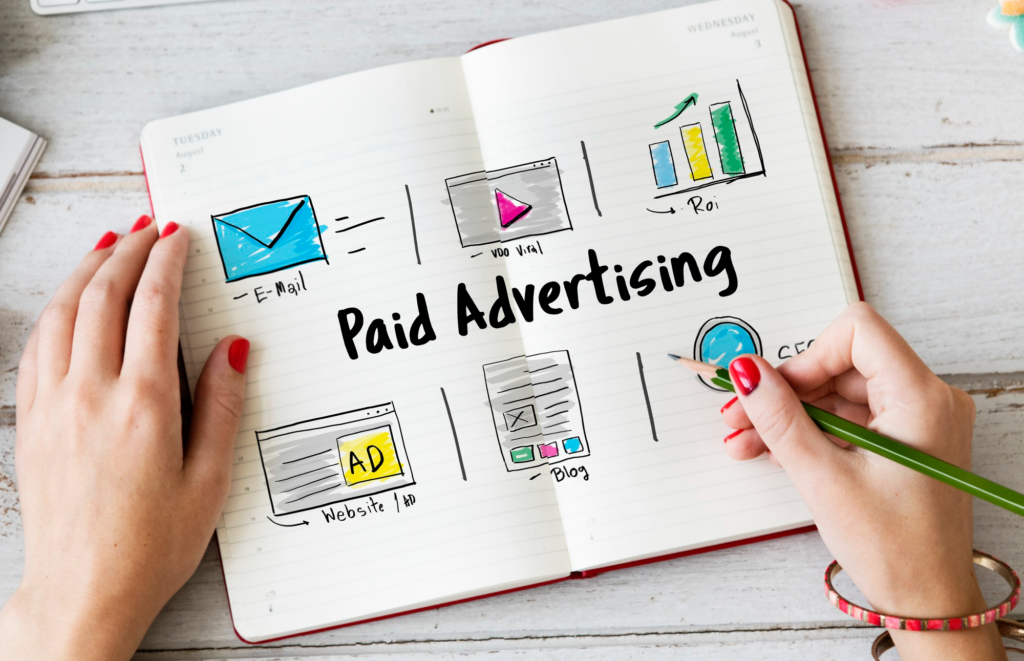
For instance, when a SaaS company runs Google Ads targeting keywords like “best CRM for startups,” it is tapping into high-intent users who are already searching for a solution. Similarly, a D2C brand might run Instagram ads to introduce a new product line and drive traffic instantly.
However, the fundamental limitation of paid media remains unchanged. It is temporary. The visibility lasts only as long as the investment continues. Once the budget stops, the traffic disappears.
There is also a growing challenge of ad fatigue. Users are increasingly selective about what they engage with, and many actively avoid promotional content. Studies consistently show that users trust organic content significantly more than paid advertisements, which means paid media alone rarely builds long-term credibility.
That said, paid media is still essential. It works best when used strategically to test messaging, accelerate reach, and bring initial attention to content that can convert more effectively through other channels.
When to Use Paid Media
Paid media works best when you need quick visibility and immediate results. It is ideal for launching a new product, promoting an offer, or reaching a targeted audience instantly. If your goal is fast traffic or testing what messaging works, paid media is the right choice.
What is Owned Media?
Owned media includes all platforms and content a brand fully controls, such as its website, blog, email communications, and social media presence.
Read More: how to create social media content with AI.
In 2026, owned media has become even more critical due to the explosion of AI-generated content. In a world overflowing with information, the quality and authenticity of that information have emerged as crucial differentiators. Brands that invest in original, well-structured, and experience-driven content are the ones that stand out.
Owned media is where this differentiation happens.
When a brand publishes in-depth, helpful content that answers real user queries, it builds trust and improves its visibility on search engines. Even with the rise of zero-click search, strong content still plays a crucial role in establishing authority and capturing user interest beyond the search results page.
For example, a detailed guide on “how to choose the right accounting software for small businesses” attracts users who actively research solutions. Over time, such content continues to generate organic traffic without additional spending.
What makes owned media powerful is its compounding nature. A single piece of content can deliver value repeatedly over months or years. This reduces dependency on paid campaigns and creates a more stable and scalable growth model.
However, owned media requires consistency and patience. It does not deliver instant results. Brands need to invest in content strategy, SEO, and audience understanding often supported by the right AI writing tools to see meaningful outcomes.
When to Use Owned Media
Owned media works best when you want to build trust and provide long-term value. It is ideal for educating your audience, answering their questions, and helping them understand your product or service. If your goal is to create consistent traffic and establish authority, owned media is the right choice.
What is Earned Media?
Earned media refers to the visibility that a brand gains organically through external sources. This includes customer reviews, social media mentions, word-of-mouth recommendations, PR coverage, and organic shares.
In 2026, earned media has evolved significantly with the rise of creator-led ecosystems. People now trust individual voices, creators, experts, and communities more than traditional brand messaging. A single authentic recommendation from a trusted creator can influence decisions more than a large-scale advertising campaign.
For example, when a tech creator reviews a product on YouTube or LinkedIn and shares genuine feedback, it often leads to organic discussions, shares, and conversions. This is earned media in action.
What makes earned media powerful is its credibility. Research consistently shows that a large majority of consumers trust peer recommendations and reviews more than brand advertisements. This trust directly impacts purchase decisions.
However, earned media cannot be controlled. It is the outcome of consistent value delivery and positive user experiences. Brands cannot force people to talk about them; they can only create conditions that encourage it.
There is also a risk element. Negative experiences can spread just as quickly as positive ones, making reputation management an essential part of any strategy.
When to Use Earned Media
Earned media becomes most powerful when people start trusting your brand enough to talk about it. It works best after you have delivered a good experience and users begin sharing reviews, mentions, or recommendations. If your goal is to build credibility and grow organically, earned media is the right choice.
Key Differences Between Paid, Owned, and Earned Media
To understand their roles more clearly, it helps to compare them directly:
| Factor | Paid Media | Owned Media | Earned Media |
| Cost | High and ongoing | Low (time & effort) | No direct cost |
| Speed | Immediate results | Gradual growth | Slow but impactful |
| Control | Full control over distribution | Full control over content | No control |
| Trust Level | Moderate | High | Very high |
| Duration | Short-term | Long-term | Long- lasting |
This comparison highlights a simple truth: no single type is sufficient on its own. Each serves a different purpose in the overall marketing ecosystem.
From Visibility to Trust: How Paid, Owned & Earned Media Work Together
The real effectiveness of paid, owned, and earned media lies in how they support each other.
A typical flow begins with paid media generating initial visibility. Users click on an ad and land on a website or piece of content. This is where owned media takes over, providing valuable information that helps users understand the offering.
If the experience is strong, users may share their experience, leave a review, or recommend the brand. This is where earned media comes into play, amplifying reach and building trust organically.
A practical example can be seen in how many modern brands launch campaigns. A brand may run a paid campaign to promote a piece of content or product. That content, hosted on owned platforms, provides value and clarity. If users find it useful, they share it or talk about it, creating earned media that extends the campaign’s reach beyond the initial investment.
This interconnected approach transforms marketing from isolated efforts into a continuous growth cycle.
What Actually Works in 2026 (Real-World Strategy)
Most brands treat paid, owned, and earned media as three separate tactics. In 2026, that approach is expensive, inefficient, and increasingly easy to outcompete. Here is how to use all three as a single connected system.
Adopt the PESO Model
The classic three-channel framework has evolved. Add shared media, including communities, partner channels, and social distribution, to get the full picture. Owned media is your foundation; paid amplifies it, shared extends it, and earned validates it.
HubSpot is a strong example of this in action. Their blog and free tools form the owned foundation paid ads drive traffic to them their user community extends their reach and thousands of organic mentions and reviews validate them.
Optimize for AI Discovery (GEO)
AI tools like ChatGPT, Perplexity, and Google’s AI Overviews are now a primary discovery channel. To appear in AI-generated answers, write in clear, structured language; use FAQ-style content; add schema markup; and build external authority through earned media.
NerdWallet does this well. Their content is structured around specific financial questions, uses clear data, and has earned enough third-party citations to appear consistently in AI-generated personal finance answers.
Use Paid Media Surgically
Broad paid campaigns have become expensive and less effective. Instead, use paid media to test messaging, amplify owned content that already performs, and retarget high-intent audiences.
Notion follows this approach. Rather than running broad awareness ads, they amplify content that already has organic traction and retarget users who have engaged with their owned channels.
Earn Trust at Every Touchpoint
In a market flooded with AI-generated content, original research, real customer reviews, and genuine creator mentions carry more weight than ever. These are not just nice to have. They are active ranking and conversion signals.
Glossier built its early growth almost entirely on this. User reviews, community posts, and organic creator content drove more conversions than any paid campaign they ran.
Conclusion
Marketing is no longer about reaching the maximum number of people. It is about building a system where attention turns into understanding, and understanding turns into trust.
- Paid media helps you enter the conversation quickly.
- Owned media helps you stay relevant by providing value.
- Earned media ensures that others continue the conversation on your behalf.
In a world where content constantly exposes users, trust becomes the deciding factor. And trust cannot be bought; it has to be built.
That is why the combination of paid, owned, and earned media is not just effective. It is essential for any brand aiming to grow sustainably in 2026 and beyond.
FAQs
A practical approach is to use paid media first to generate quick traffic, invest in owned media for long-term growth, and focus on customer experience to build earned media naturally over time.
Paid media is measured through metrics like cost per click and conversions, owned media through organic traffic and engagement, and earned media through mentions, shares, and sentiment.
Yes, by delivering strong user experiences, encouraging reviews, and creating shareable content, brands can increase the likelihood of earned media.
Yes, because SEO is no longer just about clicks. It is about visibility, authority, and being present where users search, even if they don’t always click through.