
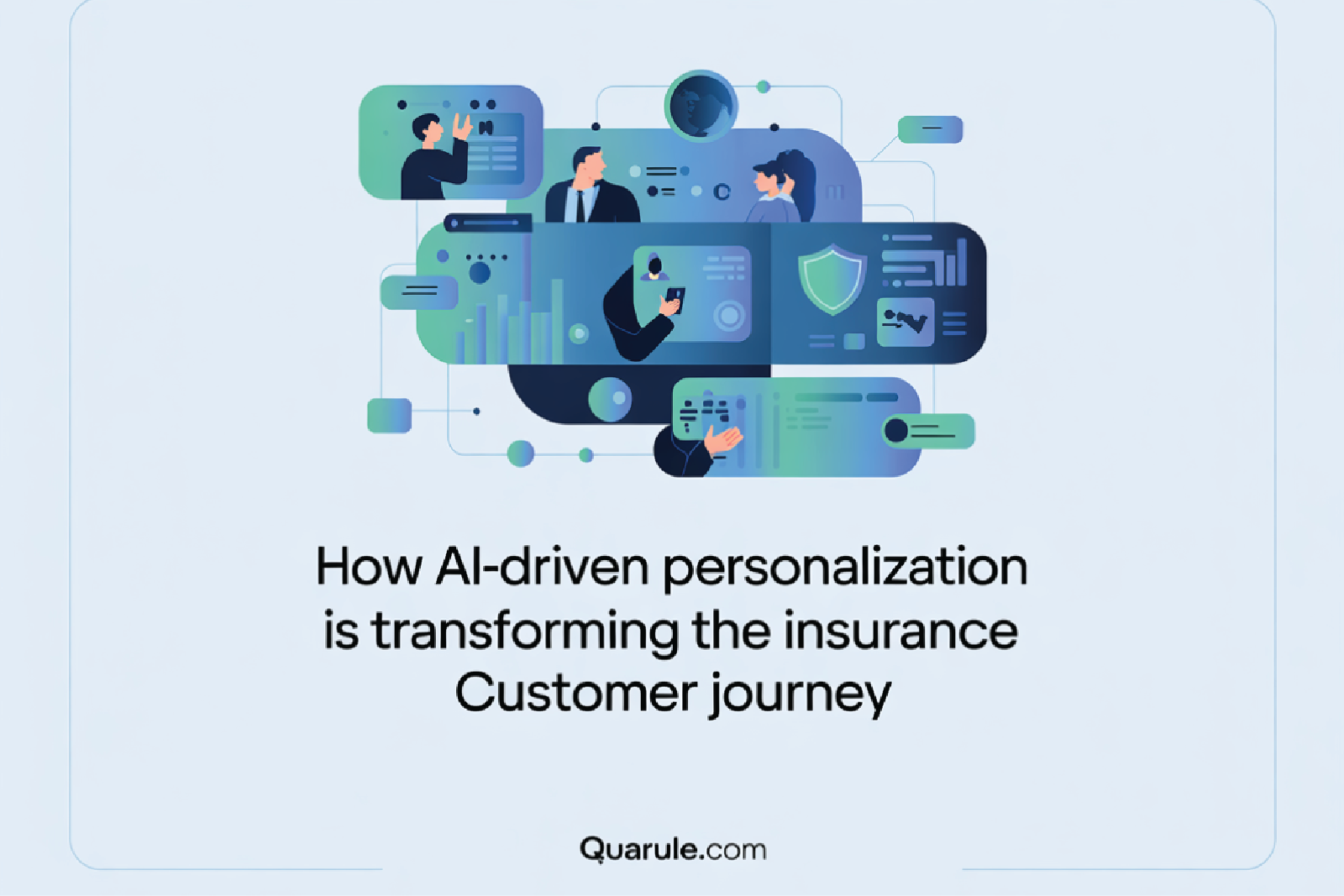
When you talk to people in insurance — agents, carriers, brokers — they often mention the same quiet shift happening around them. Customers expect more. Not louder campaigns, not prettier dashboards. They want to feel like the company actually gets them.

And honestly, who can blame them?
AI and big data finally give insurers the tools to understand customers on a more personal level, without drowning teams in research or paperwork. Suddenly, what used to take weeks of manual review now happens in seconds. Patterns appear. Risks make more sense. Communication becomes smoother. The whole experience feels less like bureaucracy and more like a partnership.
This transformation isn’t a buzzword chase. It’s a reimagining of the insurance journey from start to finish — and it’s happening quietly, almost like background music you don’t notice until the rhythm changes everything.
The Shift Toward Predictive, Data-Driven Insurance
Traditional underwriting had a certain charm, but let’s be honest — it relied heavily on broad assumptions. Insurers grouped people by age, job, location, maybe a couple of life events. It was practical but imprecise. A 28-year-old could be a careful driver or someone who treats speed limits as decoration. Yet the system couldn’t really tell the difference.
AI flips that script.
Today, predictive models digest thousands of behavioral signals that humans simply can’t process at scale. Telematics shows real driving habits. Smart home systems reveal early indicators of property risk. Shopping patterns, digital interactions, lifestyle choices — all of this forms a clearer, fairer understanding of a person’s real risk profile.
The result?
- Pricing that adapts instead of locking people into outdated categories
- Fraud detection that spots anomalies before they escalate
- Claims forecasting that helps carriers prepare instead of react
- Early identification of customers likely to churn
Some insurers hesitate because the leap feels big. But those who adopt predictive models early often gain strategic advantages faster than they expect. Not because AI replaces judgment — but because it improves it. Makes things sharper. Gives insurers a lens they never had.
And yes, none of this is perfect. But it’s a lot closer to reality than broad demographic buckets ever were.
Tailored Policies Through Machine Learning
If there’s one area where AI feels almost magical, it’s in policy personalization. Not the cosmetic kind — real, structural customization.
Machine learning evaluates people as individuals, not averages. It takes pieces of their history, behavior, habits, and context and builds policies around them instead of forcing them into generic molds.
-
Personalized pricing with real-world context

Telematics devices measure actual driving, not stereotypes. Wearables provide up-to-date wellness signals, not outdated medical questionnaires. Property sensors detect subtle risks before they become expensive incidents.
It’s surprisingly human, in its own way. The fairness resonates.
-
Dynamic policies that evolve
Risk isn’t static. Why should coverage be? AI-powered systems adjust pricing and recommendations in real time. Drive more safely for three months? Your rate reflects it. Install a leak detector at home? Lower risk, better terms.
I’ve watched customer responses to dynamic policies more than once — the relief is visible. People appreciate being treated as evolving individuals, not fixed profiles.
It’s funny how technology, often criticized for being cold, ends up making the insurance experience warmer and more personal.
Personalization Without Personal Visibility
One of the most fascinating aspects of AI is its ability to personalize quietly. Customers don’t need to constantly update information or stay “visible” for systems to understand and support them. The personalization runs in the background, like a thoughtful assistant who pays attention without being intrusive.
AI smoothly supports:
- Onboarding flows that adapt based on user behavior
- Personalized email sequences triggered by meaningful life events
- Coverage suggestions shaped by real-time data
- Automated nudges that help customers prevent avoidable risks
People get value without needing to be front and center — which is good, because not everyone likes that spotlight.
This idea isn’t unique to insurance. Digital platforms across industries experiment with “low visibility, high personalization” models. One example appears in https://onlymonster.ai/blog/how-to-make-money-on-onlyfans-without-showing-your-face/, a resource exploring how creators can deliver value without revealing themselves. At first glance, it seems unrelated to insurance, but the parallel is surprisingly clear: systems can work for people without demanding visibility from them.
Maybe that’s one of the quiet lessons here — personalization doesn’t need a spotlight. Sometimes the systems doing the personalization are almost invisible, yet their impact is unmistakable.
AI in Customer Service and Claims
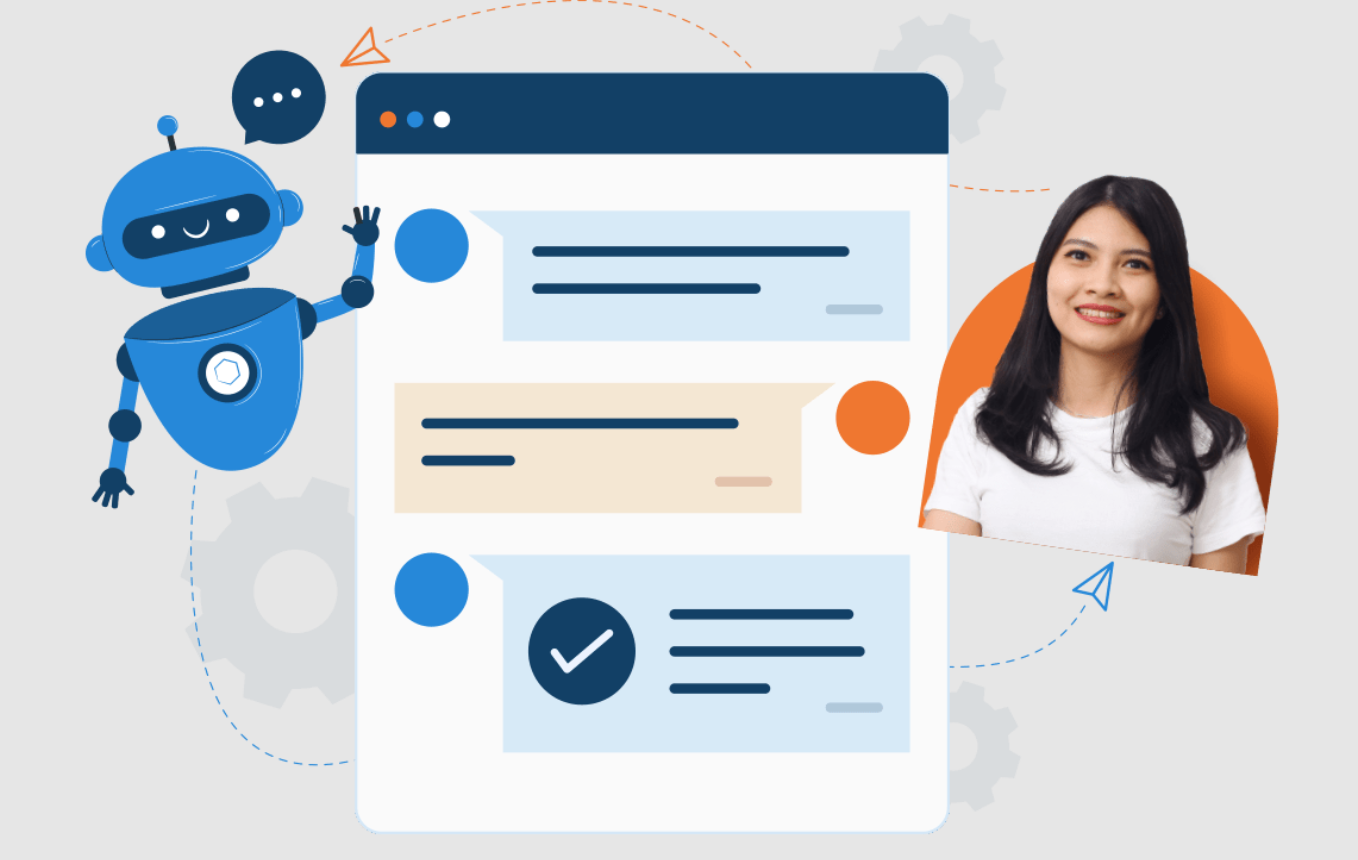
Customer service is where many customers feel the true weight of insurance processes — especially in stressful moments. That’s why AI-driven tools supporting service and claims are game-changing.
Chatbots and virtual assistants now handle a big share of routine requests. Not in a robotic “press 1 for this” way, but in something closer to a friendly guide that can actually answer questions at 2 a.m. when no agent is around.
They help with:
- Policy clarifications
- Quote generation
- Renewal reminders
- Simple coverage adjustments
When these systems hand off a conversation to a human at just the right moment? That’s when customers feel genuinely supported. It’s a small detail, but a powerful one.
Claims processing also benefits from AI triage tools that scan documents, read damage photos, and estimate complexity faster than any human could. The goal isn’t to replace adjusters — it’s to free them to focus on the parts that require empathy, conversation, and nuance.
And you can feel the difference. Fewer delays. Less confusion. More clarity. Customers stop asking, “Why is this taking forever?” because the system actually moves at their pace.
Compliance, Ethics, and Responsible Personalization
Of course, sophisticated personalization comes with equally sophisticated responsibilities. Data-driven decisions must be fair, explainable, and transparent. Otherwise the whole thing falls apart.
Insurers must navigate questions like:
- How do we ensure pricing remains fair across demographic groups?
- How do we explain AI-driven decisions in human terms?
- How do we prevent bias from creeping into training data?
- How do we manage and protect sensitive information?
Trust is fragile in insurance. People want clarity, not mystery. They want to know their data is used ethically and that algorithms won’t work against them.
Responsible personalization requires strong governance, honest communication, and systems designed with fairness at their core. Without that foundation, even the most advanced AI becomes a liability.
And yes, I know I mentioned fairness earlier — but I’ll repeat it because it matters. Personalization only works if customers believe it’s designed to help them, not just streamline the insurer’s operations.
Conclusion
AI-driven personalization isn’t an add-on feature for the insurance industry. It’s a deep shift in how insurers understand, support, and serve their customers. From precise underwriting to smooth claims handling, AI helps create experiences that feel less formulaic and more genuinely attentive.
Customers stay longer when they feel seen. They trust more when pricing feels just. And they connect more deeply with companies that adapt to them instead of forcing them into rigid categories.
Maybe the real beauty of this transformation is that it blends technology with humanity — not replacing the human part, but giving it more room to breathe.
Because, in the end, personalization isn’t just data science. It’s a connection. And that’s what people remember long after the policy is signed.


