Think about the last Instagram ad you scrolled past. The brand? The message? You didn’t even remember. Now think about the last time a brand truly surprised you, maybe a sample that arrived at the perfect moment, an event that made you stop and smile, or a store that felt like an adventure.
This is experiential marketing that is turning fleeting attention into lasting loyalty. Today, brands are also combining it with AI drive marketing ROI and create more personalized experiences. And in 2026, the brands that master this shift aren’t just winning eyeballs, they’re winning advocacy, revenue, and a place in people’s lives.
Experiential marketing is growing rapidly as brands shift toward real-world engagement. According to data from Statista and reports by Allied Market Research, global experiential marketing spend has crossed $100 billion and continues to grow steadily.
This blog focuses on the rise of experiential marketing, why it’s becoming a critical strategy, and how it fits into broader marketing strategy examples used by modern brands. and how leading brands are leveraging it to drive loyalty, advocacy, and measurable growth.
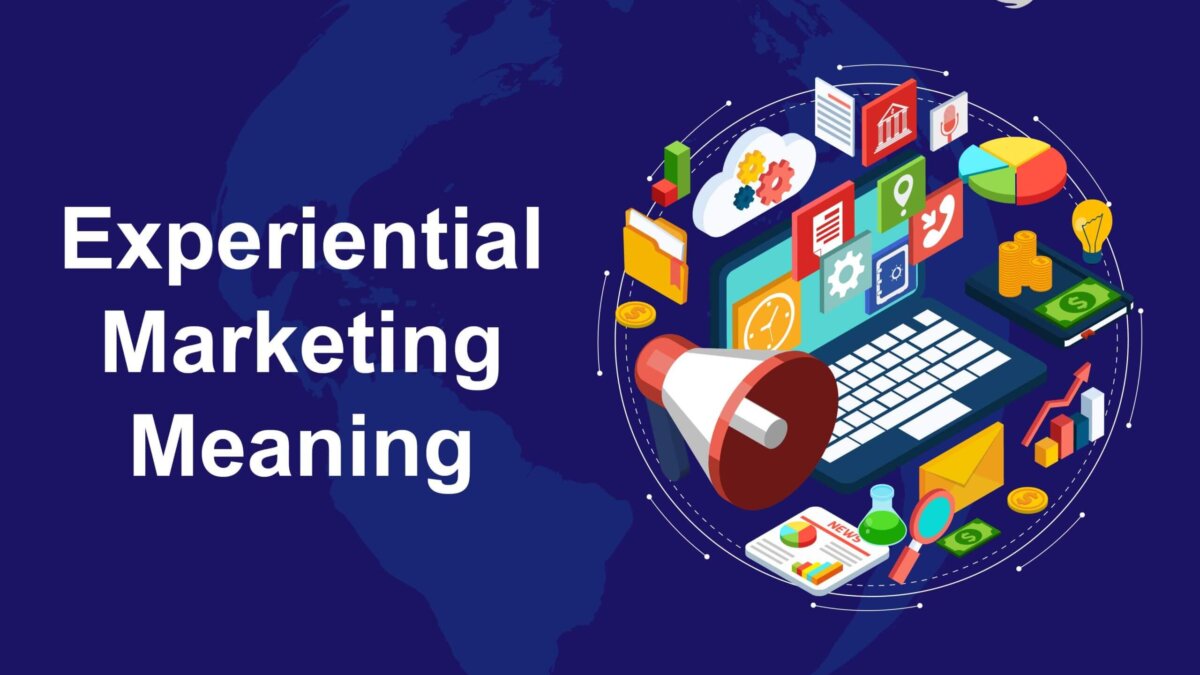
What Is Experiential Marketing?
Experiential marketing is a strategy that immerses consumers in a live, interactive brand experience rather than delivering a message.
Unlike a TV commercial or a banner ad, experiential marketing activates all the senses. It creates a two-way interaction between a brand and its audience.
It has several names, such as live marketing, event marketing, brand activation strategy, grassroots marketing, and engagement marketing. The mechanics change, but the principle stays the same to make people feel something, and they’re far more likely to remember your brand and talk about it.
Marketing experiences can range from pop-up stores to virtual events, from intimate gatherings to large-scale celebrity partnerships. There is no fixed format; it should make sense for the brand, support its marketing goals, and deliver genuine surprise and delight for the audience.
How Does Experiential Marketing Work?
Experiential marketing works on how human memory functions. Research suggests that the brain processes visual information extremely quickly, making immersive experiences more memorable than static content.
The process follows a predictable pattern:
- Activation — The brand creates a live or immersive touchpoint (event, pop-up, installation, digital experience)
- Participation — The audience engages actively, not passively
- Emotion — A positive emotional response forms around the brand
- Sharing — Participants share the experience organically via social media and word-of-mouth
- Loyalty — The emotional connection deepens into long-term brand preference
Experiential campaigns often outperform traditional ads in engagement and brand recall, but ROI varies widely by sector, execution, and measurement methods.
Major brands like Nike, Coca-Cola, and Apple use experiential marketing to create memorable campaigns that go beyond traditional ads and build strong emotional connections.
Elements of the Best Experiential Marketing Campaigns
Not every live activation qualifies as great experiential marketing. The campaigns that consistently deliver results share three non-negotiable qualities:
1. The Brand Is Unmistakably Present
It should always be crystal clear who is hosting the experience. Every touchpoint, visual, verbal, and environmental, should feel on brand. A well-executed experiential campaign doesn’t just entertain, it deepens the audience’s understanding of what the brand stands for.
2. The Experience Is Memorable and Unexpected
The best campaigns engage customers in ways that go well beyond standard advertising. Surprise and delight aren’t optional add-ons; they’re the mechanism. If your activation could have been a banner ad, it wasn’t experiential enough.
3. The Experience Is Measurable
This is where many brands fall short. Experiential marketing, especially in-person, can be harder to measure than digital channels, but it’s entirely possible. Proven measurement approaches include:
- Post-event surveys capturing brand sentiment shift
- Experience-specific hashtags that let you monitor organic social reach
- Dedicated landing pages that track post-event online behaviour
- Click-through rates and ROAS for digital and hybrid components
Online and hybrid experiences are easier to track with standard digital metrics. Either way, measurement should be built into the campaign design, not customised afterwards.
Types of Experiential Marketing
Experiential marketing takes many forms. Here are the most common and effective:
- Pop-up experiences — temporary brand installations in high-traffic locations
- Product sampling — letting consumers try before they buy in a memorable context
- Brand activations — live events tied to a product launch or campaign
- Immersive installations — multi-sensory, interactive environments (think AR, VR, or walk-through art)
- Experiential retail — turning a physical store into an engaging destination
- Hybrid events — combining in-person and virtual participation for wider reach
5 Real Experiential Marketing Examples That Actually Worked
Example 1: Netflix — Squid Game on the Champs-Elysees
Netflix created large-scale activations inspired by Squid Game in major cities, recreating iconic scenes with real participants. These experiences generated massive organic social media buzz, proving that the experience itself can become the marketing.
Example 2: BMW — The Immersive AR Test Drive
BMW has experimented with augmented reality experiences that allow customers to explore car features virtually before taking a real test drive. These hybrid experiences increase engagement, improve product understanding, and boost purchase intent.
Example 3: Cheetos — The Hands-Free House at SXSW
At the 2022 South by Southwest festival in Austin, Texas, Cheetos and Amazon Ads constructed a fully hands-free house powered by Alexa. Guests explored the immersive space using voice and smart-home technology for everyday activities, all without leaving the infamous orange Cheetos dust on anything. The activation perfectly dramatized the product’s most talked-about trait in a completely unexpected setting—memorable, shareable, and unmistakably on-brand.
Experiential Marketing Ideas for 2026
Not every brand has a Netflix-sized budget. Here are scalable ideas that work across business sizes:
- Interactive product demos at trade shows
- Branded quiz or challenge stations that collect data while entertaining
- Community micro-events, local gatherings that feel personal
- Sustainability activations or eco-conscious brand experiences that align with growing consumer demand for sustainability.
- User-generated content stations for anything that gives attendees a shareable moment (photo booths, AR filters, personalised outputs)
- Digital brand destinations with direct event attendees to a dedicated online store or landing page after the experience, extending the brand interaction beyond the live moment
Here’s what makes experiential work at every scale:
- Be unmistakably yourself. The best activations don’t just entertain, they make people understand your brand more deeply.
- Design for shareability, not just presence. Give attendees a moment worth capturing, and they’ll become your most credible media channel.
- Build the digital bridge. An in-person activation doesn’t end when someone walks away. Drive attendees to a dedicated landing page, a branded store, or a social campaign to extend the experience into a lasting brand relationship.
- Measure from day one. Build your tracking in before launch, hashtags, post-event surveys, headcounts, and landing page URLs. What gets measured gets improved.
Key Metrics to Measure Experiential Marketing Success
Don’t measure experiences with vanity metrics. Impressions don’t pay invoices. Focus your energy on what moves the needle:
- Return on Ad Spend (ROAS) — how much revenue came back for every dollar invested in the activation
- Brand sentiment lift — did attendees feel more positively about the brand after the experience?
- Lead capture volume and quality — first-party data collected during the event
- Social amplification — organic UGC, shares, and earned impressions generated post-event
- Purchase intent change — most consumers say they are more likely to purchase after participating in a live brand experience compared to traditional digital ads.
- Post-event traffic and conversion — use dedicated landing pages or brand store URLs to track how the in-person experience flows into online behaviour.
- Return on Emotion (ROE) — an emerging 2026 metric tracking micro-emotional touchpoints across the full experience lifecycle
The Bottom Line
Experiential marketing works when it moves beyond one-off campaigns and becomes part of how you show up consistently. Instead of chasing bigger ideas every time, focus on creating simple, repeatable experiences your audience can engage with and remember. Even a small, well-executed moment that feels relevant and personal can drive stronger recall than a large but forgettable activation.
For most businesses, the practical shift is to test one experience, learn from it, and refine it over time. Pay attention to what people respond to, double down on what works, and build a rhythm your audience begins to expect. In a crowded market, consistency and relevance matter more than scale, and the brands that win are the ones that keep showing up with experiences people actually want to be part of.
FAQs
Event marketing promotes the event itself, while experiential marketing uses events to create branded emotional experiences. All experiential campaigns can involve events, but not all events qualify as experiential marketing.
A bakery offering free tastings, a gym hosting a community challenge, or a boutique running a styling pop-up, all are experiential. Big or small, the emotional impact is universal.
Track ROI with simple metrics: capture leads, measure sales lift, monitor social reach via hashtags and UGC, run post‑event surveys, and assess brand sentiment, even “Return on Emotion.”
No. B2B brands are heavy investors too; B2B experiential spending grew 11% year-over-year in 2024. Executive roundtables, product launch events, and interactive trade show booths are all proven B2B experiential formats.
Younger audiences now prefer small, authentic community‑driven events over big spectacles. In 2026, brands win by creating real human connections instead of relying only on flashy visuals.